
A Trauma- and Nervous System–Informed Approach
My practice combines transformative coaching and holistic nursing, grounded in trauma- and nervous system–informed principles that prioritize empowerment, voice, choice, and collaboration.
At the center of this work is a clear stance:
I do not act as an expert who controls or overrides your healing.
I act as a facilitator of your self-directed change, supporting awareness, capacity, and choice so change happens from the inside out.
This approach reflects both trauma-informed care and transformative coaching. It is especially suited for healthcare professionals and high-achieving caregivers who have spent years prioritizing others at the expense of their own nervous system health.
-
Transformative coaching focuses on identity-level change, not just habits or surface behaviors.
Rather than asking only “What should I do differently?” we also explore:
Who have I become in response to chronic stress and responsibility?
What beliefs am I carrying about worth, rest, and obligation?
What am I no longer willing to carry forward?
Burnout rarely resolves through better routines alone. Sustainable change happens when meaning, self-trust, and agency shift. When identity changes, behavior follows without force.
-
Holistic nursing brings a whole-person lens rooted in nursing science, trauma awareness, and nervous system literacy.
It recognizes that stress and burnout affect:
The body and stress response
Emotional regulation and capacity
Sleep, energy, and physical tension
Meaning, purpose, and connection
The ability to feel safe slowing down
Rather than isolating symptoms, holistic nursing understands these systems as interconnected and supports healing that honors the person’s lived experience and current capacity.
-
This work aligns with trauma-informed principles that emphasize:
Safety over urgency
Collaboration over compliance
Choice over prescription
Capacity-building rather than pushing insight
Clients shape their goals. Pacing is shared. Nothing is forced or extracted.
For healthcare professionals who already operate near the edge of their tolerance, this matters. Change that ignores nervous system safety rarely lasts.
-
Because stress and trauma live in the body, this practice includes gentle, trauma-informed somatic supports. These practices are always optional and guided by consent.
Breathwork
Breathwork is used to support nervous system regulation and shift the body out of chronic fight, flight, freeze, or shutdown. Practices are slow, accessible, and grounding, not intense or cathartic.
Yoga and Gentle Movement
Yoga and embodied movement support awareness, tension release, and reconnection with the body. This is non-performative and adaptive. The focus is listening, not pushing.
Somatic Awareness and Grounding
We also work with body awareness, grounding practices, and simple tools that help clients recognize stress signals early and respond with care instead of overriding themselves.
These practices help translate insight into lived, embodied change.
-
Coaching focuses on recognizing stress patterns, building nervous system awareness, and developing skills that support safety, regulation, and resilience in daily life.
I do not diagnose mental health conditions, process traumatic memories, or provide psychotherapy. Coaching does not replace medical, psychological, or psychiatric care. When appropriate, I support clients in identifying when additional clinical support may be helpful and encourage collaboration with licensed professionals.
This clarity keeps the work ethical, effective, and supportive while honoring the complexity of each person’s experience.
-
AI can support insight, education, and reflection.
It cannot co-regulate, track micro-shifts in a living body, or hold ethical responsibility for relational impact.Information is abundant.
Capacity is built through safety and relationship.My work sits at that human intersection: nervous system literacy, embodied awareness, ethical boundaries, and attuned relational support. These are learnable skills, but they require presence, practice, and care.
AI supports understanding. Humans support regulation.
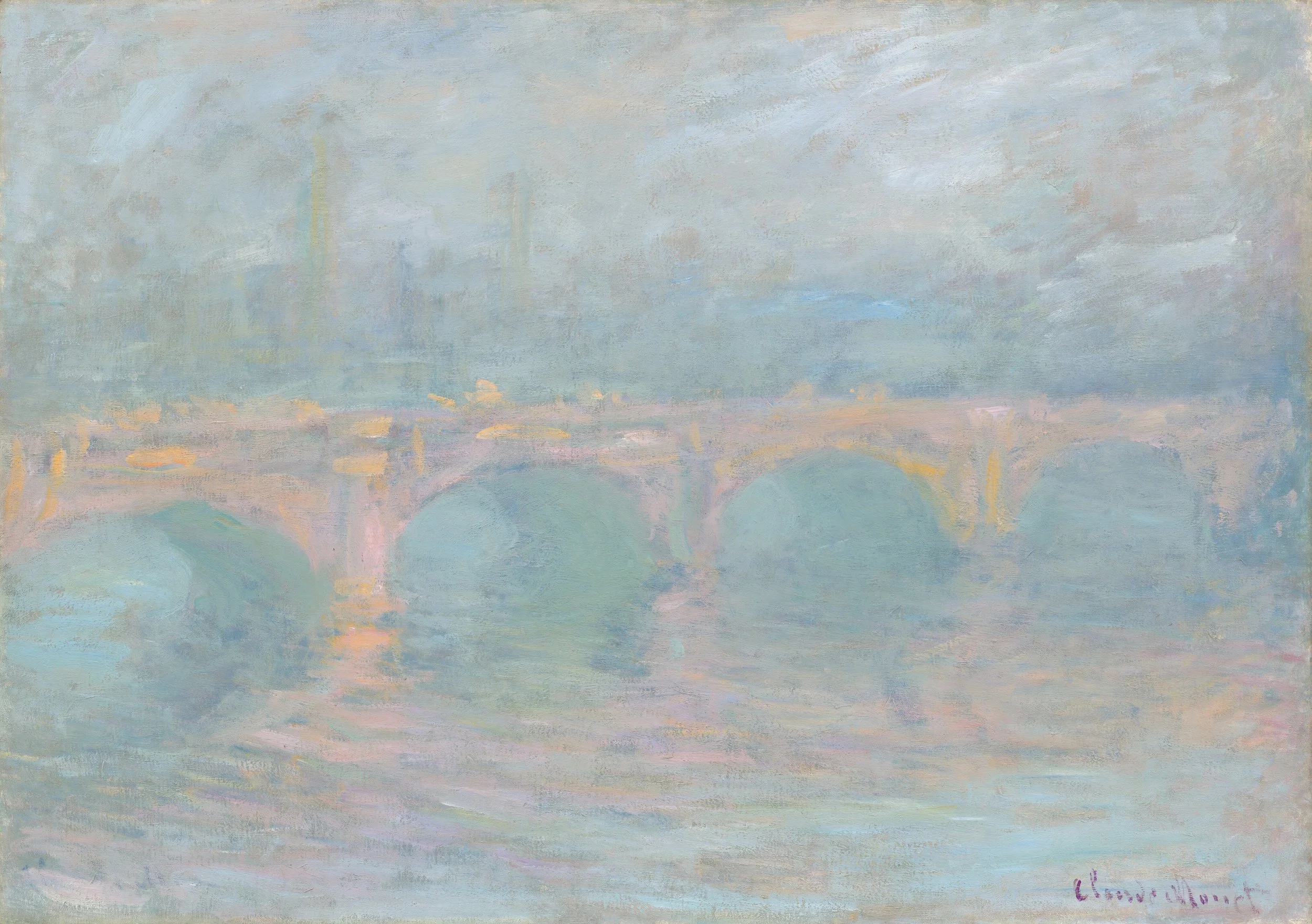
Waterloo Bridge London at Sunset, Claude Monet
Why TTIC Works
Your nervous system already knows how to move toward balance once it feels safe.
TTIC combines transformative coaching with holistic nursing support to help you notice nervous system patterns, build regulation skills, and create inside-out change.
Breathwork and gentle movement are optional tools to support safety and embodiment, at your pace.
This work is practical. You’ll learn what your stress responses look like in real life, and you’ll build small, repeatable ways to come back to center, even on workdays. Not perfect. Just steadier.
Over time, clients usually notice:
Less bracing and more ease in the body
Fewer emotional spikes at home, more patience and presence
Better recovery between shifts
A calmer relationship with rest, sleep, and downtime
A stronger sense of “I know what I need and I can ask for it”
Your Coaching Questions, Answered
-
Yes. Many people seek coaching because they feel worn down, disconnected, or stuck long before things fall apart. You do not need to be in crisis to benefit from this work. If you’re noticing chronic stress, exhaustion, or a sense that something needs to change, that’s enough.
-
This work is especially supportive for healthcare professionals and high-achieving caregivers who feel chronically stressed, emotionally exhausted, or disconnected from themselves. Many clients are people who are outwardly capable but inwardly depleted.
-
No. This is coaching and holistic nursing support. I do not diagnose mental health conditions, process traumatic memories, or provide psychotherapy.
Coaching focuses on present-moment awareness, nervous system regulation, identity-level change, and practical skills that support sustainable wellbeing.
-
Yes. Many clients find coaching complements therapy well. Coaching and therapy serve different roles, and they can work alongside each other. If clinical support is needed, I encourage collaboration with licensed providers.
-
We focus on nervous system awareness, regulation skills, and present-moment support. You are never asked to relive or re-experience traumatic events. If deeper trauma treatment appears necessary, we will discuss appropriate referrals to licensed professionals.
-
Sessions are conversational, reflective, and practical. We may explore stress patterns, nervous system responses, boundaries, values, and tools you can use in daily life. Sessions are paced and collaborative, with an emphasis on safety and capacity rather than pushing insight.
-
No. You are always in control of what you share. This work does not require retelling or reliving past events. We work with what is present and relevant for you now.
-
No. Somatic practices are optional and always adapted to your comfort and capacity. Nothing is required.
-
Breathwork is gentle and grounding, designed to support nervous system regulation rather than intensity or catharsis. The goal is safety and steadiness, not emotional release.
-
Practices are adaptive and non-performative. We work with awareness and choice, not pushing the body. Physical comfort and safety are always prioritized.
-
That depends on your goals and needs. Some clients work short-term to stabilize and reset. Others continue longer to support deeper integration and change. We revisit this together as needed.
-
Yes. Coaching sessions are confidential within ethical and legal limits. Group programs include confidentiality agreements to support a safe and respectful environment for everyone.
-
This work is collaborative and client-led. I do not prescribe solutions or override your choices. If you’re looking for directives, fixing, or someone to push you through change, this may not be the right fit.
-
If you’re unsure whether this work is a good fit, book a consultation to help you decide without pressure. You don’t need to have it all figured out to begin.
The Trauma-Informed Collective, LLC
Cherish Morris, MAS, BSN, RN, CA-SANE
Founder
hello@thetraumainformedcollective.org
(817) 213-6732
Copyright © 2026 The Trauma-Informed Collective, LLC. All Rights Reserved.